El Niño Is Coming: How to Prepare Your Roof Before the Storms Hit Los Angeles
By Ben Shitrit · September 23, 2026 · Last updated September 30, 2026 · Storm Damage
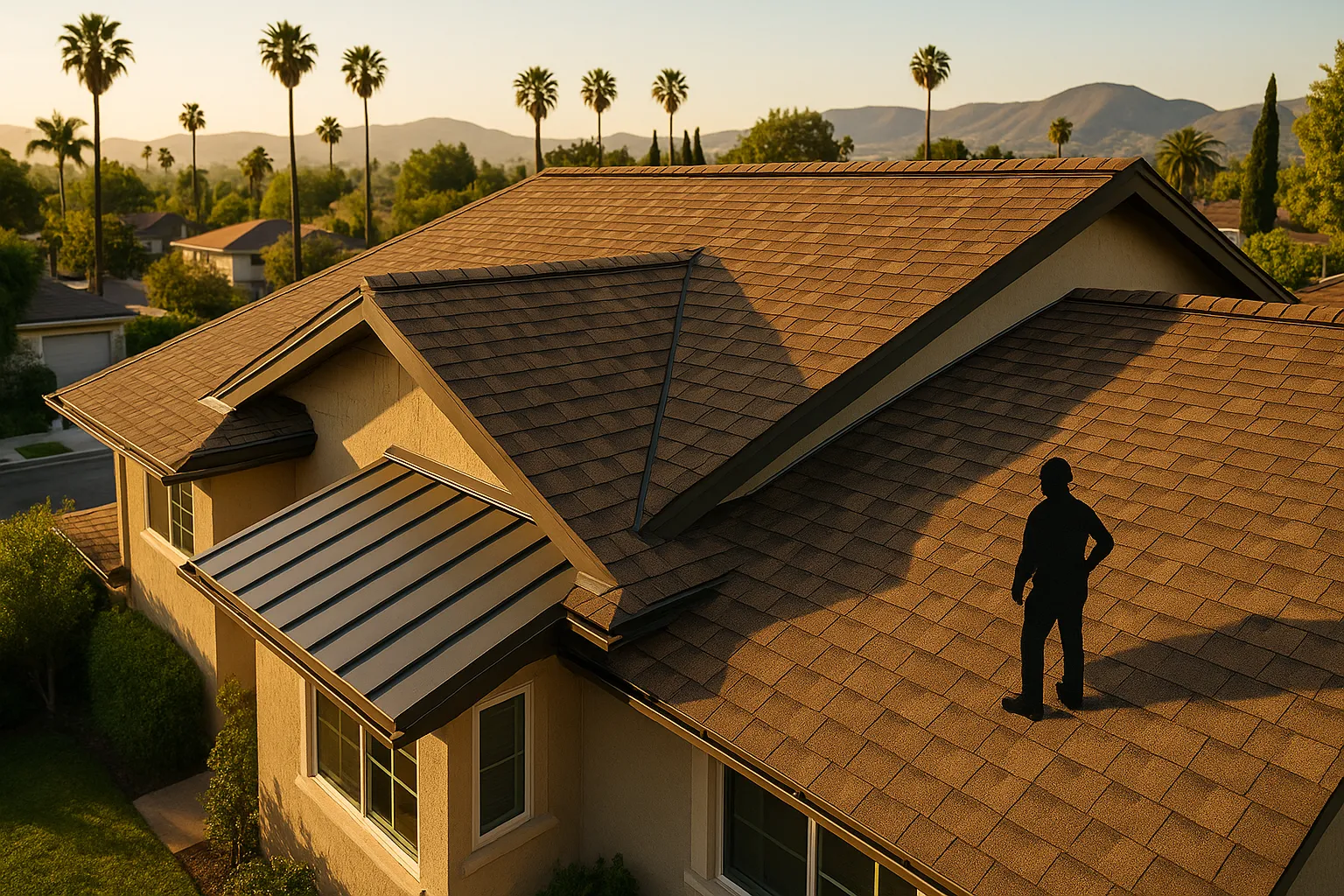
If you're asking how to prepare your [roof](/services/roof-repair) for El Niño, you're already ahead of most homeowners in [Los Angeles](/areas/los-angeles) — and that matters more than you might think. El Niño weather patterns bring prolonged, heavy rainfall to Southern California that can turn a minor roof issue into a catastrophic interior flood in a matter of hours.
After working on roofs across Los Angeles, [Beverly Hills](/areas/beverly-hills), [Pasadena](/areas/pasadena), and [Glendale](/areas/glendale) for years, the pattern is always the same: the calls that come in *during* a storm are always from homeowners who ignored small warning signs *before* it. A cracked [tile](/services/tile-roofing) here, a lifted [shingle](/services/shingle-roofing) there — none of it seems urgent until three inches of rain falls in a single afternoon and water is streaming down the inside of a bedroom wall.
This guide covers everything you need to know about El Niño roof preparation: what to look for, what it costs, when to call a pro, and how to avoid the expensive mistakes that turn a $400 repair into a $12,000 emergency.
---
## What Is El Niño and Why Does It Matter for Your Roof?
What is El Niño? El Niño is a periodic warming of Pacific Ocean surface temperatures that disrupts normal weather patterns, causing significantly above-average rainfall in California — particularly in Southern California — during winter months.
For Los Angeles homeowners, El Niño years historically bring **2x to 3x the normal rainfall** between November and March. The 2025-2026 El Niño cycle, flagged by NOAA's Climate Prediction Center, has been classified as a moderate-to-strong event, with precipitation forecasts running **40-60% above the 30-year average** for LA County through early 2027.
That's not just more rain. It's sustained, heavy rain — the kind that finds every gap in flashing, every cracked tile, every soft spot in aging shingles. Roofs that survived fine through dry years suddenly fail under the pressure of an El Niño winter.
### How El Niño Differs From a Normal Rainy Season
A typical LA rainy season involves scattered storms with dry periods between them, giving roofs time to dry out. El Niño patterns are different: storms arrive in series, sometimes with only 48-72 hours between events. That means moisture never fully escapes, wood decking stays wet longer, and any existing vulnerabilities compound rapidly.
Based on Vision Roofing's project data from the last major El Niño cycle, **emergency repair calls increased by over 300%** during peak storm months, with average emergency repair costs running **$1,800 to $6,500** — compared to **$350 to $1,200** for the same repairs done proactively before the season.

---
## El Niño Is Coming: How to Prepare Your Roof — The Full Inspection Process
Preparing your roof for El Niño starts with knowing exactly what you're working with. A proper pre-storm inspection isn't just a walk around the yard looking up — it's a systematic evaluation of every component that keeps water out of your home.
Here's the step-by-step process Vision Roofing uses for El Niño preparation inspections across Los Angeles and the surrounding areas:
### Step 1: Ground-Level Visual Assessment
Start from the street. Look at the roofline from multiple angles. You're checking for:
- **Sagging or uneven ridgelines** (indicates decking or structural issues)
- **Missing, cracked, or visibly displaced tiles or shingles**
- **Dark staining or moss growth** on the surface
- **Gutters pulling away** from the fascia
This takes about 10 minutes and costs nothing. A sagging ridge line, for example, is almost never a cosmetic issue — it usually means the decking underneath has water damage and needs immediate attention before any storm arrives.
### Step 2: Attic Interior Inspection
Go into the attic during daylight with a flashlight off. If you see pinpoints of light coming through the roof deck, water can come through too. Also look for:
- Water stains or dark discoloration on rafters or sheathing
- Soft or spongy wood anywhere along the decking
- Mold or mildew smell (even if you can't see it yet)
- Insulation that's wet, compressed, or discolored
**Wet insulation loses up to 40% of its R-value** and can harbor mold within 24-48 hours of getting wet, according to the EPA's moisture and mold guidelines.
### Step 3: Roof Surface Inspection (Professional)
For the actual roof surface, we strongly recommend a licensed contractor — not because homeowners can't look, but because walking on certain roofing materials (especially clay tile, which is common throughout Pasadena and Glendale) without knowing the proper technique causes damage. A contractor will check:
- **Flashing condition** at chimneys, skylights, vents, and valleys
- **Sealant integrity** around penetrations
- **Tile or shingle fastener condition**
- **Drainage paths** and ponding risk areas
### Step 4: Gutter and Downspout Audit
El Niño preparation isn't just about the roof surface. Gutters that are clogged, undersized, or improperly pitched will overflow during heavy rain and direct water against your fascia, soffit, and foundation. Clean gutters completely, check that downspouts discharge **at least 6 feet from the foundation**, and consider adding gutter guards if your property has significant tree coverage.
---
## [How Much Does](/estimate) El Niño Roof Preparation Cost in Los Angeles?
This is the question everyone actually wants answered, so here are real numbers based on current 2026 market pricing in the Los Angeles area.
| Service | Typical Cost Range (LA, 2026) | Notes |
|---|---|---|
| Professional roof inspection | $150 – $350 | Free with repair estimate at Vision Roofing |
| Gutter cleaning (standard home) | $175 – $400 | More for two-story or heavy debris |
| Shingle repair (per section) | $350 – $900 | Depends on extent and material |
| Tile repair (per tile, clay/concrete) | $75 – $250/tile | Labor-intensive; minimum call-out fees apply |
| Flashing repair or replacement | $400 – $1,200 | Critical for leak prevention |
| [Silicone roof coating](/services/silicone-coating) ([flat](/services/flat-roofing) roofs) | $1.50 – $4.50/sq ft | Excellent El Niño prep for flat roofs |
| Full shingle replacement (2,000 sq ft) | $9,500 – $18,000 | Based on 2026 material and labor costs |
| Full tile roof replacement | $18,000 – $45,000 | Depending on tile type and roof complexity |
| Emergency leak repair (mid-storm) | $1,800 – $6,500 | Includes after-hours premium |
**The math is straightforward:** a $500 flashing repair done in October costs less than one night of water intrusion damage, which the Insurance Information Institute estimates averages **$11,098 per water damage claim** in California.
### Real-World Scenarios From the LA Area
**Scenario 1 — Pasadena homeowner, October 2025:** A homeowner on a hillside lot in Pasadena had a clay tile roof that was 18 years old. Pre-season inspection found 14 cracked tiles, failed chimney flashing, and a clogged valley. Total proactive repair cost: **$2,850**. Their neighbor with a similar roof skipped the inspection. That neighbor filed a homeowner's insurance claim in January for ceiling damage and mold remediation that totaled **$23,400**.
**Scenario 2 — [Santa Monica](/areas/santa-monica) flat roof, September 2026:** A homeowner with a 1,400 sq ft flat roof had ponding water issues identified during inspection. Vision Roofing applied a full [silicone roof coating](/services/silicone-coating?utm_source=blog&utm_medium=organic&utm_campaign=el-minion-is-coming-how-to-prepare-your-roof) at **$3.25/sq ft ($4,550 total)**. The coating sealed micro-cracks, improved drainage slope with tapered insulation, and added a 10-year waterproof warranty. Zero leaks through the entire El Niño season.
**Scenario 3 — Glendale shingle roof, August 2026:** A 22-year-old 3-tab shingle roof was flagged during inspection as having less than 15% remaining granule coverage — essentially at end of life. Rather than patch it, the homeowner invested in a full [shingle roofing replacement](/services/shingle-roofing?utm_source=blog&utm_medium=organic&utm_campaign=el-minion-is-coming-how-to-prepare-your-roof) at **$13,200 for 1,800 sq ft**. The new architectural shingles carry a 50-year manufacturer warranty and qualify for a California [energy](/services/energy-efficient-upgrade) efficiency rebate through the CPUC's residential program.

---
## Which Roofing Materials Handle El Niño Conditions Best?
Not all roofs respond to sustained heavy rainfall the same way. Here's an honest breakdown of how the most common LA-area roofing materials perform under El Niño conditions.
### Clay and Concrete Tile
Tile is the most common roofing material in Los Angeles, Beverly Hills, and Pasadena — and for good reason. A properly installed and maintained tile roof handles rainfall exceptionally well. The tiles themselves are essentially impervious to water.
The vulnerability is the underlayment beneath the tiles, not the tiles themselves. Most tile roofs installed before 2010 used 30-lb felt underlayment, which has a **useful life of 15-20 years**. If your tile roof is over 15 years old, the underlayment may be failing even if the tiles look fine from the street. Explore your [tile roofing options](/services/tile-roofing?utm_source=blog&utm_medium=organic&utm_campaign=el-minion-is-coming-how-to-prepare-your-roof) and ask specifically about underlayment condition during any inspection.
### Asphalt Shingles
Architectural (dimensional) shingles perform well in rain when they're in good condition. The critical metrics are granule coverage and fastener integrity. Shingles lose granules gradually over time — by the time you can see bare mat from the ground, you're already past the point of patching.
For El Niño prep, [shingle roofing](/services/shingle-roofing?utm_source=blog&utm_medium=organic&utm_campaign=el-minion-is-coming-how-to-prepare-your-roof) that's within 5 years of its warranty end should be replaced, not repaired. The cost of repairs on an aging shingle roof often approaches replacement cost within 2-3 storm seasons anyway.
### [Metal Roofing](/services/metal-roofing)
Standing seam metal roofing is arguably the best choice for El Niño resilience. Water sheds instantly from metal panels, there are no granules to lose, and a properly installed metal roof has essentially zero absorption. [Metal roofing](/services/metal-roofing?utm_source=blog&utm_medium=organic&utm_campaign=el-minion-is-coming-how-to-prepare-your-roof) costs more upfront — typically **$15,000 to $35,000** for a standard LA home — but carries 40-70 year lifespans and requires minimal maintenance.
### Flat Roofs (Built-Up, Modified Bitumen, TPO)
Flat roofs are common in mid-century modern homes throughout West LA, Silver Lake, and Echo Park. They're the most El Niño-vulnerable because water doesn't drain by gravity alone — it relies on proper slope and functioning drains.
For flat roofs, [silicone roof coating](/services/silicone-coating?utm_source=blog&utm_medium=organic&utm_campaign=el-minion-is-coming-how-to-prepare-your-roof) is one of the most cost-effective El Niño preparation strategies available. A silicone coating applied over an existing flat roof membrane seals micro-cracks, reflects UV, and creates a seamless waterproof barrier — at a fraction of full replacement cost.
---
## What Is Roof Flashing and Why Is It the #1 El Niño Failure Point?
What is roof flashing? Roof flashing is thin metal (typically galvanized steel or aluminum) installed at roof transitions — around chimneys, skylights, vents, dormers, and valleys — to direct water away from joints and into the drainage system.
Flashing is where **over 70% of roof leaks originate**, based on industry data from the National Roofing Contractors Association (NRCA). In normal rainfall, failed flashing might cause a minor drip. In an El Niño storm dropping 2-3 inches in a few hours, the same failed flashing can channel gallons of water directly into wall cavities.
Flashing inspection and repair is the single highest-ROI El Niño preparation task you can do. A **$400-$800 flashing repair** can prevent thousands in interior damage. If your roof is more than 10 years old and you've never had flashing inspected, schedule that before anything else.
---
## Should You File an Insurance Claim for Storm Roof Damage?
This is where a lot of homeowners make costly mistakes. Here's what you need to know about insurance and El Niño roof damage in California.
### What Homeowner's Insurance Typically Covers
Most standard homeowner's policies in California cover **sudden and accidental** roof damage from storms — wind, hail, falling trees, and similar events. What they generally don't cover is damage from **gradual deterioration or lack of maintenance**.
This distinction matters enormously during El Niño season. If an adjuster determines your roof leaked because it was already in poor condition, the claim may be denied — leaving you with the full repair bill. Proactive maintenance documentation (photos, repair receipts, inspection reports) is your best protection against a denied claim.
### California's FAIR Plan and High-Risk Properties
With many standard insurers pulling back from California in recent years, more LA homeowners are on the California FAIR Plan. FAIR Plan policies have narrower coverage and higher premiums — another reason why pre-storm repairs are financially smarter than relying on claims.
For any storm damage that does occur, document everything before making temporary repairs: photos, video, timestamps. Then call a licensed contractor (License #1069894) for an assessment before the insurance adjuster arrives. A professional damage report carries far more weight than a homeowner's description alone.
---
## El Niño Roof Preparation: How to Prepare Your Roof With Energy Efficiency in Mind
El Niño prep doesn't have to be purely defensive. If you're replacing roofing materials or adding coatings, 2026 is an excellent time to incorporate [energy efficient upgrades](/services/energy-efficient-upgrade?utm_source=blog&utm_medium=organic&utm_campaign=el-minion-is-coming-how-to-prepare-your-roof) that reduce cooling costs during the long LA summers that follow wet winters.
### Cool Roof Options for Los Angeles
California's Title 24 energy code requires cool roof compliance on many re-roofing projects in LA County. Cool roofs reflect more solar energy than standard roofs, reducing attic temperatures by **20-30°F** and cutting cooling energy use by **10-15%**, according to the California Energy Commission's 2025 residential building report.
Options include:
- **Reflective shingles** with high Solar Reflectance Index (SRI) ratings
- **White or light-colored metal roofing panels**
- **Silicone coatings** with high reflectivity (often 85%+ solar reflectance)
- **Cool tile options** with reflective glazing
Many of these qualify for rebates through the CPUC's residential programs and local utility incentives through LADWP. An [energy efficient upgrade](/services/energy-efficient-upgrade?utm_source=blog&utm_medium=organic&utm_campaign=el-minion-is-coming-how-to-prepare-your-roof) consultation can identify which options apply to your specific roof and location.

---
## Hiring a Pro vs. DIY: What You Can Actually Do Yourself
Let's be honest about this. Some El Niño prep tasks are genuinely DIY-friendly. Others are not.
### Safe DIY Tasks
- Cleaning gutters and downspouts (single-story, with proper ladder safety)
- Trimming overhanging tree branches away from the roof
- Clearing debris from roof valleys (if accessible and safe)
- Checking attic for signs of existing moisture
- Photographing and documenting current roof condition
### Leave These to a Licensed Contractor
- Any actual roof surface work (tile, shingle, flashing)
- Applying roof coatings or sealants
- Structural assessment of decking or framing
- Anything involving a ladder on a two-story home or steep-pitch roof
Falls from roofs are the leading cause of construction fatalities in the U.S., according to OSHA data. Beyond safety, unlicensed repair work can void manufacturer warranties and create complications with insurance claims. California requires a C-39 Roofing Contractor license for any roofing work — Vision Roofing holds License #1069894 and carries full liability insurance and workers' comp.
For professional [roof repair](/services/roof-repair?utm_source=blog&utm_medium=organic&utm_campaign=el-minion-is-coming-how-to-prepare-your-roof) or a full pre-storm assessment, getting a licensed contractor on-site before the first storm hits is always the right call.
---
## When Is the Right Time to Act? El Niño Timing and Urgency
El Niño seasons in Southern California typically intensify between **November and February**, with peak storm activity often occurring in December through January. That means the preparation window runs roughly **August through October**.
By November, roofing contractors in the LA area are fully booked. Lead times for non-emergency work stretch from the typical 1-2 weeks to 4-6 weeks during peak pre-storm season. Emergency slots during active storms carry **25-40% premium pricing** on top of standard rates.
If you're reading this in September or October, you're in the ideal window. Schedule your inspection now, get repairs completed before the first storms, and go into the rainy season with confidence instead of anxiety.
For flat roofs specifically, silicone coatings require dry conditions to cure properly — typically **72 hours without rain** and temperatures above 40°F. That window becomes increasingly difficult to find as November approaches.
Get a [free estimate](/estimate?utm_source=blog&utm_medium=organic&utm_campaign=el-minion-is-coming-how-to-prepare-your-roof) now while scheduling is flexible and repair costs are at their lowest. Or [book a consultation](/book?utm_source=blog&utm_medium=organic&utm_campaign=el-minion-is-coming-how-to-prepare-your-roof) to walk through your specific roof with one of our team members.
---
## Frequently Asked Questions
### How can I tell if my roof is ready for El Niño storms?
The most reliable way is a professional inspection from a licensed C-39 roofing contractor. That said, visible warning signs include missing or cracked tiles, granule loss on shingles (look for granules accumulating in gutters), dark staining on the roof surface, sagging areas, and any history of interior leaks during past rainstorms. If your roof is more than 15 years old and hasn't been inspected in the past two years, assume it needs attention before El Niño hits.
### How much does El Niño roof preparation cost in Los Angeles?
Costs vary widely depending on what your roof needs. A professional inspection runs **$150-$350**, though Vision Roofing includes inspection with any repair estimate. Targeted repairs like flashing replacement or tile repair typically run **$400-$1,200**. Full roof replacements range from **$9,500 for a basic shingle roof** to **$45,000+ for premium tile on a complex structure**. The key benchmark: proactive repairs average 60-80% less than emergency repairs for the same underlying problem.
### What roofing material is best for heavy El Niño rainfall?
Metal roofing — particularly standing seam — offers the best water-shedding performance because it has no seams, gaps, or granules to fail. For existing tile roofs, the material itself is fine; the underlayment is what needs attention. For flat roofs, a quality silicone coating or TPO membrane is the most effective El Niño defense. The "best" material depends on your existing roof type, budget, and how many years you plan to stay in the home.
### How long does El Niño roof preparation take?
A professional inspection takes **1-3 hours** depending on roof size and complexity. Minor repairs (flashing, individual tiles, sealant) are typically completed in **1-2 days**. Silicone coatings on flat roofs take **1-3 days** plus 72 hours of cure time. Full roof replacements run **3-7 days** for most standard LA homes. Book early — by October, most reputable contractors in the LA area have 3-5 week backlogs.
### Should I file an insurance claim for El Niño roof damage?
Only for damage that's sudden, clearly storm-caused, and substantial enough to exceed your deductible by a meaningful margin. Filing small claims can raise your premiums significantly. For pre-existing deterioration, insurance won't cover it anyway — that's a maintenance issue. If you do have storm damage, document everything with photos and timestamps before making any repairs, and get a professional damage assessment before the adjuster visits. This protects your claim and ensures you receive fair compensation.
### What is roof flashing and why does it fail during El Niño?
Roof flashing is the metal material installed at roof joints and transitions — around chimneys, vents, skylights, and valleys — to seal gaps where water could infiltrate. It fails during El Niño because the volume and duration of rainfall overwhelms small gaps that were manageable in lighter rain, and because thermal expansion and contraction over years causes sealants to crack and metal to separate. Flashing failure accounts for over 70% of roof leaks, making it the highest-priority El Niño preparation item for most homes.
### How often should I inspect my roof in Los Angeles?
Industry standard is **twice per year** — once in fall before the rainy season and once in spring to assess any winter damage. In El Niño years, add a mid-season check in January if storms have been significant. For roofs over 15 years old, annual professional inspections are the minimum. Los Angeles's dry summers create UV and thermal stress that's just as damaging as rain, so year-round monitoring matters.
### What is silicone roof coating and is it worth it for El Niño prep?
Silicone roof coating is a liquid-applied waterproofing membrane that cures into a seamless, flexible, UV-resistant layer over an existing roof surface. It's particularly effective on flat and low-slope roofs. For El Niño prep, it's one of the best value options available: at **$1.50-$4.50 per square foot**, it's a fraction of full replacement cost, adds 10-15 years of waterproof life, and often qualifies for energy efficiency rebates due to its high solar reflectance. It's not appropriate for every roof type, but for flat roofs in good structural condition, it's hard to beat.
### What should I do if my roof leaks during an El Niño storm?
First, protect interior contents and place buckets or towels to limit water spread. Don't go on the roof during active rain — the risk of falls is extreme and you won't be able to make effective repairs in wet conditions. Call a licensed roofing contractor immediately and ask specifically about emergency storm response availability. Apply interior tarps over affected ceiling areas if safe to do so. Document everything with photos. Most reputable roofing companies, including Vision Roofing, offer emergency response services during storm season.
### Are there local building codes I need to know about for roof work in LA?
Yes. Los Angeles requires permits for full roof replacements and structural repairs. California's Title 24 energy code mandates cool roof compliance on most re-roofing projects. Work must be performed by a C-39 licensed contractor. Unpermitted work can create complications when selling the home and may void your homeowner's insurance coverage for related claims. Always verify your contractor's license through the CSLB (California Contractors State License Board) before signing any contract — Vision Roofing's license number is #1069894, verifiable at cslb.ca.gov.
---
The difference between a stressful El Niño winter and a dry, comfortable one often comes down to decisions made in September and October. A $500 repair done now versus a $5,000 emergency call at midnight in January — that's not a hypothetical. It's the call we get every single storm season from homeowners who wish they'd acted sooner.
If you're not sure where your roof stands, the most useful thing you can do today is schedule an inspection. [Contact us](/contact?utm_source=blog&utm_medium=organic&utm_campaign=el-minion-is-coming-how-to-prepare-your-roof) to talk through what you're seeing, or [book a consultation](/book?utm_source=blog&utm_medium=organic&utm_campaign=el-minion-is-coming-how-to-prepare-your-roof) and we'll come take a look before the first storm rolls in.
---
**Ready to start your your project in Los Angeles?** [Book a free consultation](/book?utm_source=blog&utm_medium=organic&utm_campaign=el-nio-is-coming-how-to-prepare-your-roof-before-the-storms-hit-los-angeles) — we'll come walk through your space and give you straight numbers, no pressure. Or learn more about our [Metal Roofing services](/services/metal-roofing?utm_source=blog&utm_medium=organic&utm_campaign=el-nio-is-coming-how-to-prepare-your-roof-before-the-storms-hit-los-angeles).